Glamping Pods or Capsule Houses: Resort Buyers
Glamping pods versus capsule houses for resort operators: rate, occupancy, season length, maintenance, and where a mixed fleet outperforms both.

Glamping pods and capsule houses are frequently compared as if one were a newer version of the other. They are different products aimed at different guest propositions, and the right answer for a resort depends on what you are selling: immersion in landscape, or a design-led room with a view. This page compares them on the variables that decide revenue and operating cost — guest segment, achievable rate, seasonality, key density, maintenance profile and capital structure — so an operator can choose on the business case rather than on the render. We publish no price figures; they depend on configuration, quantity, route and date, and only your suppliers can quote them. For the pod category, see our glamping pods overview.
What Actually Differs
Both are factory-built, transported as complete or part-assembled units, and set on prepared ground. The difference is in the envelope and the guest proposition.
| Dimension | Glamping pod | Capsule house |
|---|---|---|
| Guest proposition | Outdoor immersion; nature is the product | Design-led interior comfort; the view is the product |
| Envelope emphasis | Lighter structure, strong indoor-outdoor link, large opening or deck | Sealed high-performance envelope, panoramic glazing, full climate control |
| Climate tolerance | Best in mild conditions; shoulder-season comfort needs specification | Designed for sealed climate control in heat, cold and dust |
| Season length | Often seasonal unless specified for year-round use | Year-round operation is a realistic target |
| Service expectation | Guests accept a simpler fit-out as part of the experience | Guests expect a room-standard fit-out |
| Typical placement | Woodland, meadow, coastal and park settings | Resort plots, scenic sites, workforce and hospitality applications |
Read the table as a segment decision. Neither product is better in the abstract; each is better against a specific guest and a specific climate.
Which Sells Better Depends on the Segment
"Sells better" has two meanings that operators often conflate: higher occupancy, and higher rate. They frequently point in opposite directions.
- Occupancy. A product priced below the local room market and positioned as an experience tends to fill more nights. Pods often win here in leisure markets with strong outdoor appeal.
- Rate. A product that delivers room-standard comfort with a distinctive design and a view can command a room-market rate or better. Capsule houses often win here, particularly where the alternative local stock is dated.
- Revenue per available unit. Occupancy multiplied by rate is the number that matters. A lower-rate product at much higher occupancy can beat a higher-rate product at low occupancy, and vice versa.
Underwrite both against actual comparables for your sub-location and season, not against a national average. Then test whether the segment you are assuming actually exists at your site — drive-time from the guest source, competing stock, and whether your location has the landscape a pod proposition depends on.

Seasonality Is the Deciding Variable
If your site has a genuine low season — cold winter, monsoon, extreme summer heat — the product that keeps operating wins the year. This is where the two diverge most in practice.
A pod in a mild, dry climate can run a long season with relatively simple specification. The same pod in a climate with cold winters or a sustained wet season will be unlettable for part of the year unless the envelope, insulation and heating or water management are specified for it — at which point it is no longer the simple, low-capital product it appeared to be.
A capsule house with a sealed, insulated envelope and full climate control is designed for year-round operation across a wider range of conditions. That capability costs more at purchase and typically less in lost nights. Model the lost nights explicitly: a product that is closed for a third of the year has to earn its entire annual return in the remaining two thirds.
Our page on seasonal opening and closing covers the operational cycle, and summer heat and shading addresses hot-climate performance.
Key Density and Site Layout
Both products let you place multiple keys on one plot, but the spacing logic differs. A pod proposition sells privacy and immersion, which usually means greater separation between units and more land per key. A capsule proposition sells view and design, which tolerates tighter placement where the view can be protected.
Work out the key count your plot supports under each proposition, then check it against zoning and licensing before you decide. Density assumptions that survive the design review but fail the planning conversation are a common cause of rework. Our page on resort site layout treats the planning sequence.
Maintenance and Lifetime Profile
Operating cost is where a capital saving is often repaid with interest. Compare on three items.
- Envelope upkeep. Exposed and semi-exposed structures need more frequent attention to seals, coatings and timber elements. A sealed envelope with a durable external finish generally needs less.
- Interior renewing. Higher-occupancy, lower-rate product turns over more guests and wears interiors faster. Specifying for that turnover is cheaper than renewing early.
- Spare parts and standardisation. Running one product type across a site simplifies stock, training and repair. Running both is a legitimate strategy if they serve genuinely different segments, but it doubles the spares and maintenance knowledge required.

A Mixed Site Often Outperforms Either Alone
Many operators end up running both: pods at the lower rate band to capture the experience market and fill shoulder periods, capsule houses at the upper band for year-round room-standard revenue. That spreads segment risk and can lift blended revenue per available unit — at the cost of a more complex operation.
If you go that route, standardise where you can: one electrical standard, one spare-part philosophy, one housekeeping routine. The complexity is manageable when it is confined to the guest-facing differences. Our page on mixing unit types covers the planning.
Decide the split against demand rather than against available space. Where the experience segment is strong but seasonal, pods carry the peak and capsule units carry the year. Where demand is steady and room-standard, weight the mix towards capsule units and use a small number of pods as a signature product rather than as the core inventory. Review the mix after the first full season using your own occupancy and rate data, and adjust the second phase accordingly.
Financing and Phasing a Mixed Fleet
Running both product types changes the financing pattern in a useful way. Pods, with a lower capital entry, can be phased in early to start revenue while the higher-cost units are still in production. That sequencing lets a site open partially rather than waiting for full completion, which shortens the period during which capital is committed and nothing is earned.
Structure it deliberately. Phase one: the lower-capital units and the shared infrastructure — access, drainage, utility distribution and shared facilities — since the infrastructure serves the whole site and is the common critical path. Phase two: the higher-specification units once revenue is running and occupancy data is real rather than projected. Phase three: expansion justified by observed demand rather than by the original feasibility.
The operating caveat is complexity. Two product types mean two maintenance regimes, two spare-part sets and two housekeeping standards. Confine the complexity to the guest-facing differences and standardise everything behind them: one electrical standard, one supplier relationship, one inspection routine. Our page on phased expansion covers the planning sequence in more detail.
Choosing for Your Site
Send your location, climate range, plot size, zoning constraints and target segments, and we will mark up which product fits which part of your site and what changes in the specification either way. We publish no price figures — they depend on configuration, quantity, route and date, and only your suppliers can quote them. Review the Galactic A series configurations and use the contact page to send your site brief.
More from the Blog
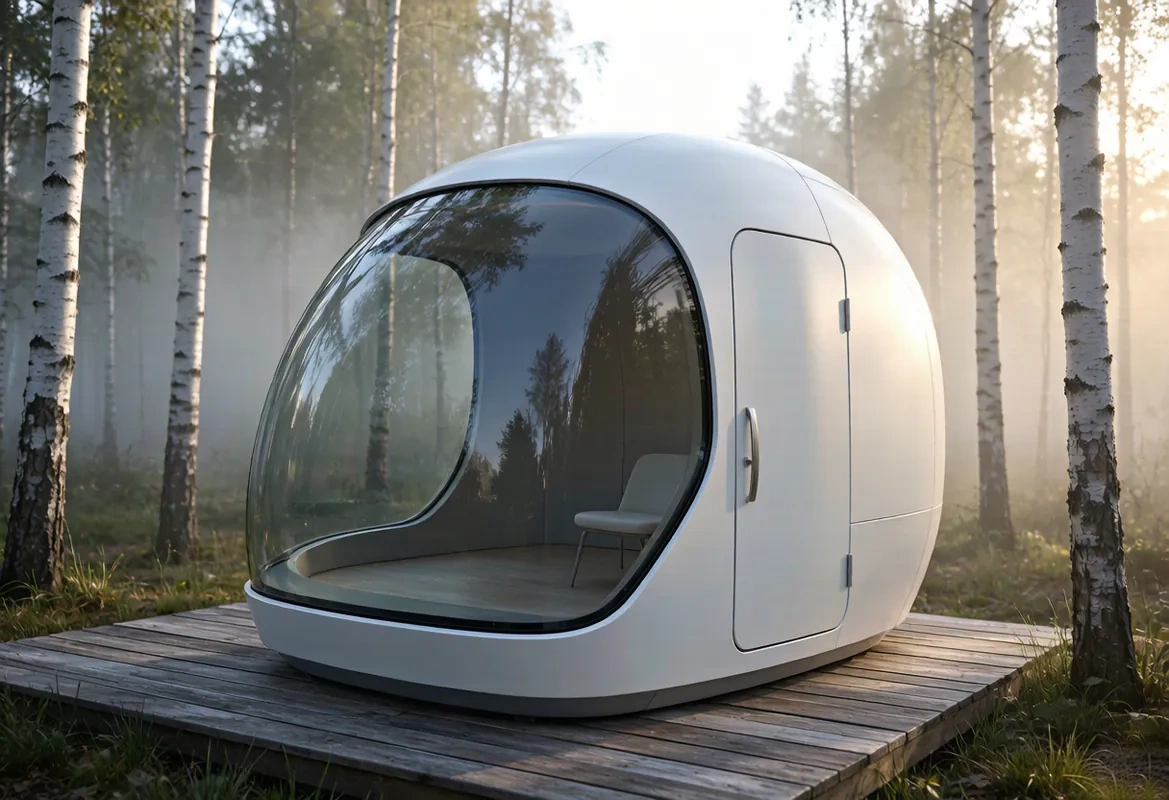
Capsule Home Cost Guide: What You Really Pay in 2026
EXW, shipping, install and the hidden line items — a transparent breakdown of total landed cost.
Read article →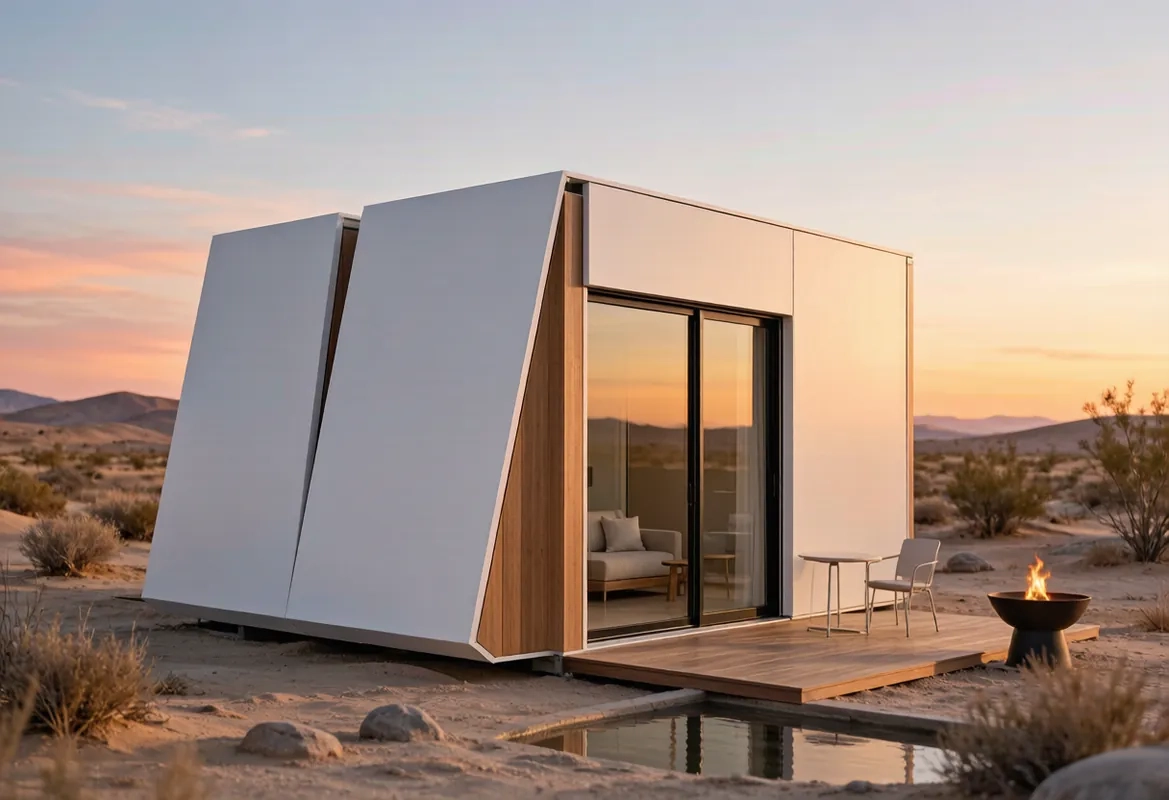
How to Install a Capsule Home in 3 Days: A Step-by-Step Guide
From site prep to first guest — the exact sequence our install crews follow on every deployment.
Read article →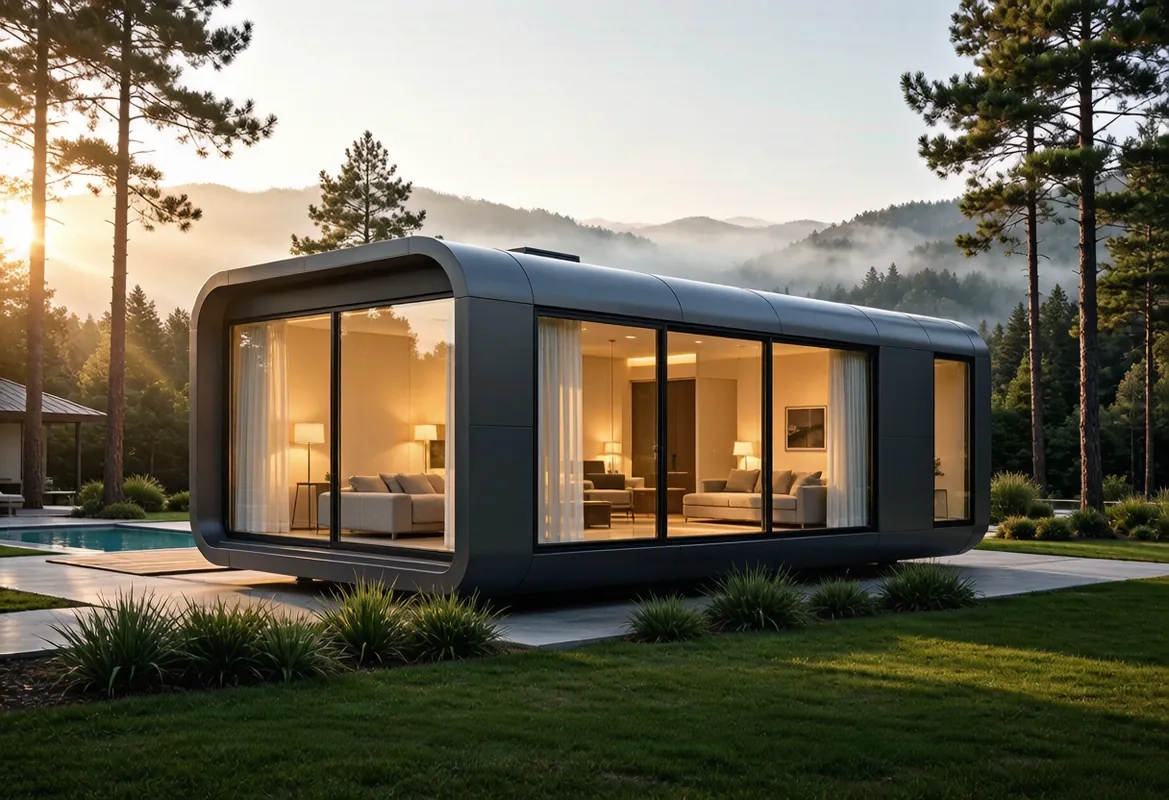
Real Owners, Real Numbers: Success Stories
How a lakeside resort, a Spanish glamping site and a Singapore dealer hit their targets.
Read stories →Talk to the Factory
Ready to Ride the 2026 Wave?
Get the latest catalog, pricing tiers and a layout sketch for your land — straight from the engineering team.