Modular vs Panelized Homes: Build Method Compared
Modular and panelised construction compared on five axes: what arrives, factory completion ratio, on-site trade scope, transport volume and site suitability.

Modular and panelised construction are both factory methods, and the difference between them is a single variable: how much of the building is finished before it leaves. A volumetric modular building arrives as a three-dimensional volume with its structure, envelope and much of its interior already complete. A panelised building arrives as a set of two-dimensional panels that are assembled into a volume on site. Everything that follows from the choice is a consequence of that one difference. This page compares the two on five axes: what arrives, the factory completion ratio, the on-site trade scope and its exposure to weather, the transport volume, and which suits a remote site against a serviced plot. It gives no cost figures and no duration promises, because both depend on the project rather than on the method. It does not repeat our kits versus turnkey page, which is a commercial comparison rather than a construction-method one, nor our manufacturing process page, which covers the factory side in detail. Vocabulary follows our modular terminology guide, and the smaller single-unit end of the panelised family is covered under prefab cabins.
Axis One: What Actually Arrives on Site
The difference is visible on the delivery vehicle before any work begins.
- A volumetric module arrives as a box. It has a floor, a ceiling, walls, a roof, windows and doors, and it arrives with the interior lining, the joinery and the first-fix services installed. In a well-executed project it arrives with the wet rooms finished and the electrical and plumbing systems tested at the factory.
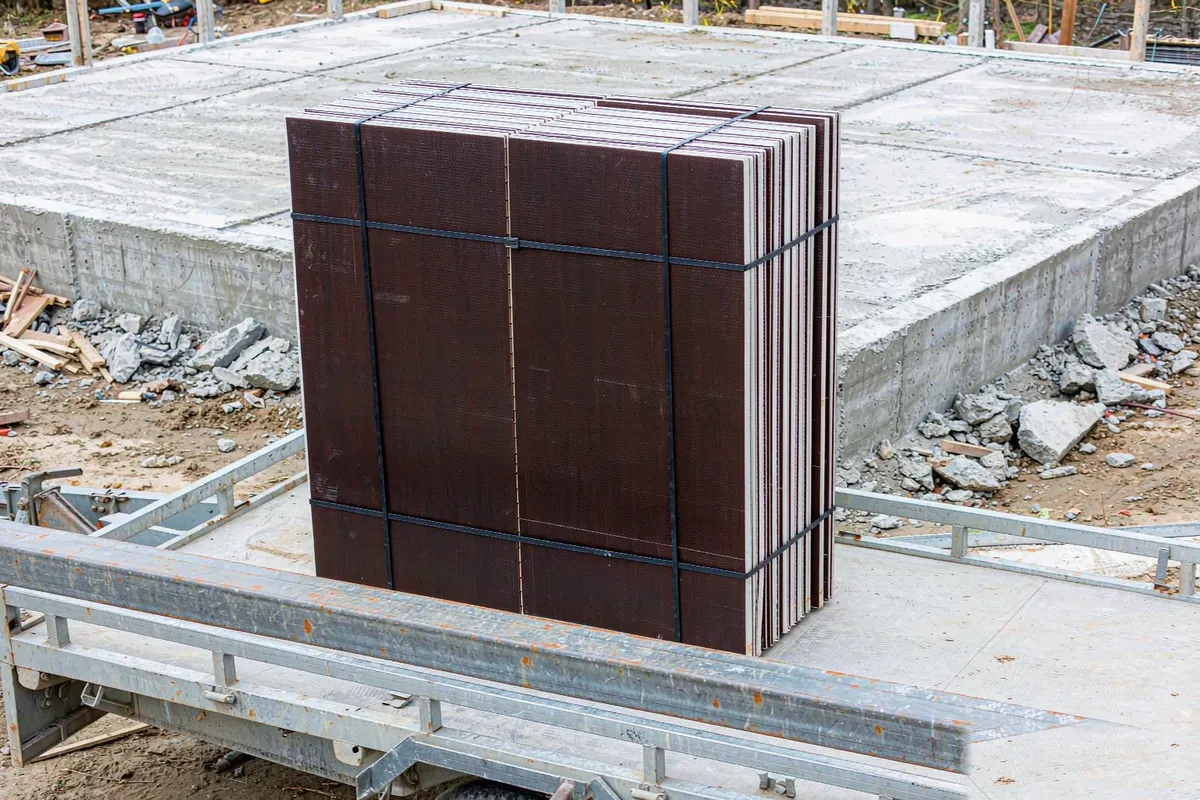
- A panelised delivery arrives as flat elements. Wall panels, floor cassettes and roof panels, usually banded on a trailer. They may arrive with windows and external finishes already fitted to them, or as structural panels only, and that is a specification choice with consequences further down this list.
- The volumetric module is a rigid object that has to be lifted as one; the panels are handled individually and can be carried by a smaller machine, or by hand on a restricted site.
- The consequence for storage differs accordingly: modules need space and a crane to move them; panels can be stacked and moved progressively.
This is the axis that most directly determines the crane requirement, which is treated further down. It also determines what can be done if the site cannot accept the whole delivery at once.
Axis Two: The Factory Completion Ratio
Methods are best compared by the proportion of the building that is complete at the factory gate, and that proportion is a specification rather than a property of the method.
- Volumetric sits at the high end. The structure, the envelope, most of the interior and a large part of the services are complete. What remains is the joint between modules, the final connections and the external make-good.
- Panelised sits across a range. A closed-panel system delivers panels with insulation, membranes, windows and sometimes external cladding already fitted; an open-panel system delivers the structural frame, with insulation and lining done on site. The two ends of that range behave very differently.
- Closed panel narrows the gap with volumetric substantially. Where the external finish, the glazing and the internal linings are factory-fitted to the panels, the on-site work is assembly and jointing rather than building.
- The right question is not which method but what percentage, and the answer has to be given in writing as a list of what is included.
Ask for the completion ratio as an itemised scope, not as a percentage. A stated percentage is either an average across a range or a marketing figure, and neither tells you what you will have to do on site. Requirements may vary by application, market and applicable standard.
Axis Three: On-Site Trade Scope and Weather Exposure
Whatever is not finished at the factory is finished on site, and on site it is exposed.
- Volumetric minimises the wet work on site. The building is weathertight shortly after it is set, and the remaining internal work happens under a roof that already exists.
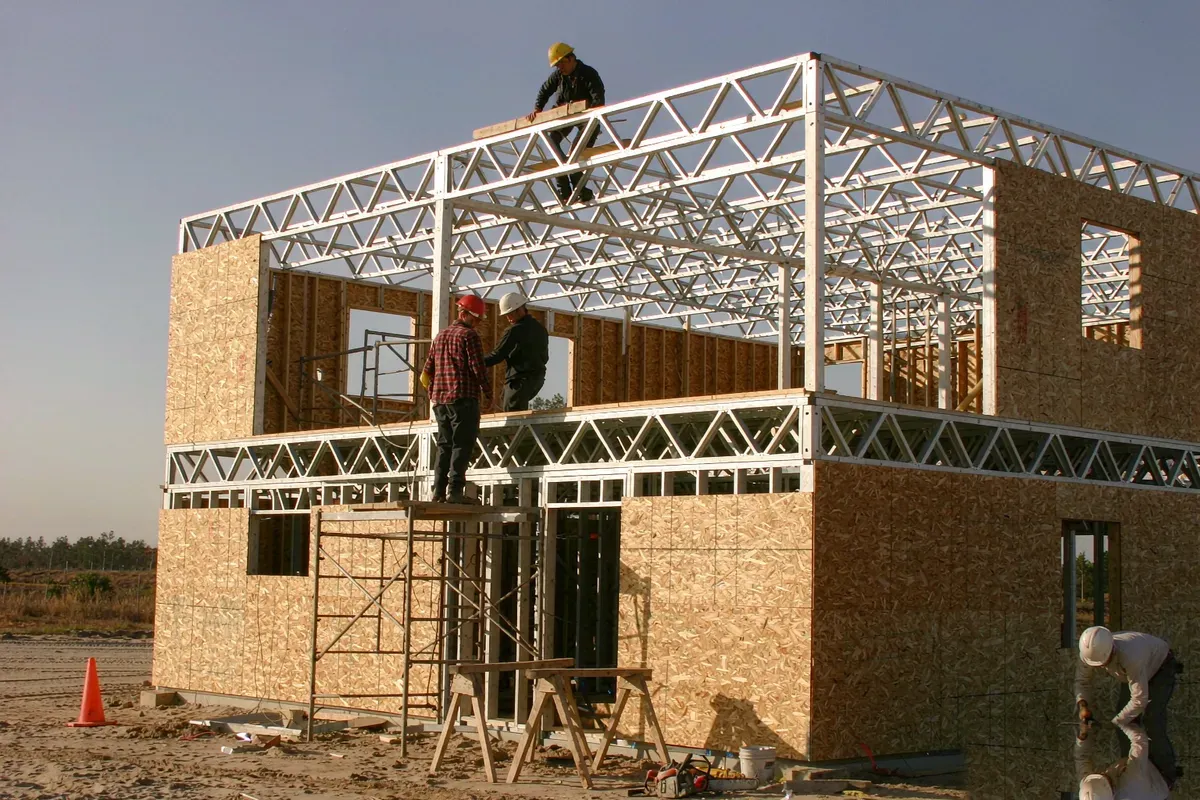
- Panelised carries an exposed period. From the first panel being stood to the building being weathertight, the interior is open to the weather. The length of that period is the assembly duration, and it is a genuine risk on a site with a wet season.
- Moisture-sensitive materials — insulation, membranes, plasterboard and timber-based panels — are the ones affected. Storing them dry until the building is sealed is a site management task, and it is one that is often underestimated.
- Trade sequencing is heavier on a panelised build. Lining, second-fix electrical and plumbing, decorating and floor finishes follow the weathertight date, and each is a separate trade to schedule.
Where the site has a defined rainy season, the weathertight date is the date the programme is planned around, and the method that reaches it sooner has a real advantage that has nothing to do with the total build duration.
Axis Four: Transport Volume
This is the axis that most often decides the comparison on an export project, and it is frequently overlooked on a domestic one.
- A volumetric module ships air. A finished box contains a great deal of empty space, and it is charged for by the space it occupies rather than by what it weighs. On a sea freight leg this is the dominant cost driver.
- Panels pack densely. Flat elements are stacked and banded, and a given volume of transport carries far more building. For a long-distance or an export move this is a substantial difference.
- The number of vehicles differs for the same building. A volumetric building of a given size may require several oversize loads; the same building in panels may fit on fewer and standard ones.
- Out-of-gauge moves are more likely with volumetric, because a finished module occupies height and width. Out-of-gauge brings permits, escorts and route restrictions.
For a domestic move over a good road, the volumetric penalty is modest. For a containerised sea leg to a distant port, the packing density becomes the decisive factor, and it may be decisive enough to favour panelised even where everything else favours volumetric.
Axis Five: Remote Sites Against Serviced Plots
The two methods suit opposite site conditions, and this is the practical conclusion of the four axes above.
- A remote or difficult-access site favours panelised. Elements can be carried by a smaller machine or by hand, the crane requirement is smaller, and a restricted approach is less likely to block the delivery entirely.
- A remote site with no local trades favours volumetric. Where skilled trades are unavailable or expensive locally, finishing more of the building at the factory removes the need for them. These two pulls are in opposite directions, and the site determines which one wins.
- A serviced plot with a good approach favours volumetric, because the crane can attend, the delivery is straightforward, and the weathertight date arrives quickly.
- A site with a short construction window — a seasonal weather constraint, or an operational deadline — favours whichever method reaches weathertight sooner, which on a large building is usually volumetric.
Where the labour is scarce and the access is good, volumetric. Where the access is poor and the labour is available, panelised. Where both are poor, the project is difficult and the method will not rescue it.
Choosing Between Them
Work through these in order:
- Can the route take a finished module, or is an out-of-gauge move going to be required?
- Is the move long enough that packing density determines the freight cost?
- Are skilled finishing trades available locally at a known cost?
- Does the site have a wet season or a short construction window?
- What completion ratio does the supplier actually include in the panel specification?
The answers usually point one way without much ambiguity. Where they do not, a hybrid is common and often sensible: volumetric for the wet and highly finished areas, panelised for the open ones. Ask whether the supplier can supply the two together, because the services and the joint details have to be designed across both. Requirements may vary by application, market and applicable standard.
More from the Blog

Capsule Home Cost Guide: What You Really Pay in 2026
EXW, shipping, install and the hidden line items — a transparent breakdown of total landed cost.
Read article →
How to Install a Capsule Home in 3 Days: A Step-by-Step Guide
From site prep to first guest — the exact sequence our install crews follow on every deployment.
Read article →
Real Owners, Real Numbers: Success Stories
How a lakeside resort, a Spanish glamping site and a Singapore dealer hit their targets.
Read stories →Talk to the Factory
Ready to Ride the 2026 Wave?
Get the latest catalog, pricing tiers and a layout sketch for your land — straight from the engineering team.