Capsule House Philippines LPG Cooking Setup Guide
Capsule house LPG cooking in the Philippines: cylinder storage, sealed unit ventilation, wet season supply, induction and factory detailing.

On Philippine island and provincial plots there is often no piped gas, so a capsule house Philippines kitchen runs on LPG cylinders or on electricity, and that choice has to be made before the unit is built. LPG cooking on those sites is mostly a layout and operating problem: where cylinders sit, how a gas appliance is ventilated and isolated, and what staff do when a wet-season delivery fails. Use a licensed local installer and confirm requirements with the authority having jurisdiction.
Why a cylinder supply changes the unit layout
A piped gas connection is invisible inside a finished unit. A cylinder supply is not. It adds a storage position, a regulator, a routed gas line, an isolation valve and an access panel, all of which need a physical place in a compact shell. If those positions are not settled at the order stage, someone has to cut into a finished interior later.
The appliance is only one part of the decision. Choosing a cooktop belongs to our kitchen appliance selection guide; the fuel supply is a separate question. A cylinder kitchen needs a route from storage to the appliance that a licensed installer can inspect, a reachable regulator, and a shut-off a housekeeper can find without opening a cupboard.
Haishu space capsule homes and expandable prefab houses are delivered turnkey on a factory-direct basis, with panoramic glazing and tight, well-sealed envelopes. A sealed, compact interior is comfortable in a tropical climate, but it is also a space where a gas appliance needs deliberate ventilation. That is why the factory must know the fuel choice before the shell is closed.
General fire safety planning sets the baseline; a cylinder supply adds fuel storage to that picture.
Storing cylinders on an island or provincial site
Cylinders have to live somewhere ventilated, shaded, upright, secure and reachable by the delivery boat or truck. On a small island plot the storage position competes with the deck, the service track and the guest path, so it belongs on the site plan rather than being decided on handover day.
Keep storage outside the living envelope, away from ignition sources and low points where heavier-than-air gas could collect. Provide a level base, keep cylinders restrained, and protect the position from direct sun and standing water in the wet months. A lockable, ventilated cage that staff can open for a changeover is more workable than a sealed cupboard.
How many cylinders a site holds depends on occupancy, delivery frequency and the buffer a resort wants before a missed drop. The larger A70, often two-story, may serve more guests than a compact A30, so storage should follow the unit mix rather than a fixed figure. No cylinder quantity or clearance dimension is stated here as fact; confirm requirements with the authority having jurisdiction and with the licensed installer. Separate full and empty cylinders and keep a log of which are ready.
Ventilation choices sit alongside the air quality and filtration guidance, but cooking moisture needs its own extract path.
Ventilation and isolation in a compact sealed unit
In a small, tightly sealed unit, a gas appliance needs a deliberate air path and a reliable way to cut the supply. Ventilation is not the same as an open window; it is a designed low-level and high-level path that a guest cannot close by accident. The installer should be able to point to where combustion air enters and where products leave.
Isolation means a shut-off valve reachable without moving furniture, plus a regulator positioned for inspection. A changeover valve should be mounted so staff can see which cylinder is in use. Leaks in a compact space are less forgiving than in an open kitchen, so the route from cylinder to appliance should be as short and as visible as the layout allows.
Panoramic glazing and a well-sealed envelope are selling points of the unit, but they mean the gas design cannot rely on incidental leakage for ventilation. Ask the factory for a dedicated ventilation provision, a gas route with an access panel, and an isolation point a licensed local installer can certify on site before the order is released.

Changeover, leak checks and the daily operating routine
A cylinder kitchen is a routine, not a one-time installation. Every changeover is a chance to cross-thread a connection, leave a valve cracked or miss a perished hose, so the routine has to be written down and repeated by whoever is on duty.
Staff should check the regulator and hose seating at each changeover and use the installer's leak-detection method before lighting. Never test with a flame. Log the date and the cylinder used.
A workable housekeeping list looks like this:
- Check that cylinders are upright, restrained and the cage is locked when unattended.
- Inspect the hose, regulator and connections for wear at each changeover.
- Confirm the isolation valve is closed overnight and when the unit is empty.
- Test for leaks with the approved method, never with a flame.
- Keep the changeover log and installer contact in the handover pack.
Guests should not change cylinders. Give them a card with the shut-off location and who to call, and keep mechanical work with trained staff. Confirm requirements with the authority having jurisdiction for the inspection routine a rental site is expected to keep.
If induction is chosen, check the resulting load with the electrical load planning guide before the order is fixed.
Wet-season delivery, missed drops and induction as the alternative
On an island or provincial site, the cylinder supply chain is the weak link. A delivery can be delayed by rough sea, a washed-out road or a holiday, and a resort that runs out mid-stay has no quick fallback. Plan the buffer around the wettest months and agree a second supplier where one exists.
When a delivery is missed
The operating plan should say what happens before the last cylinder is empty: reduce cooking load, switch to a backup appliance, or move guests to a unit with supply. Staff need a threshold that triggers the call, not a decision made when the flame dies.
Induction and the electrical implications
Induction removes cylinders, storage and the gas route entirely, but it moves the load onto the site's electrical supply. On a site with limited grid capacity or generator backing, a cooking load at dinner time is a real planning question. Grid connection is a separate subject on this site; the point here is that choosing induction is an electrical decision as much as a kitchen one.
| Factor | LPG cylinder supply | Induction alternative |
|---|---|---|
| Fuel delivery | Depends on boats, trucks and wet-season access | Depends on the site electrical supply |
| Storage and access | Ventilated, shaded cage and a delivery route | No fuel storage on the plot |
| Ventilation need | Designed air path and reachable isolation valve | Standard kitchen ventilation |
| Wet-season reliability | Drops delayed by sea and road conditions | Unaffected by delivery, tied to power uptime |
| Guest rules | Guests must not change cylinders | Simple appliance use, no fuel handling |
| Staff routine | Changeover, leak checks and a cylinder log | Appliance checks and load awareness |
Cylinder delivery to small islands follows the same constraints as island unit delivery, so plan the two together.
Where the grid is unreliable, the Philippines power supply guide explains the connection side of the same decision.
Fire safety equipment, staff briefing and what the factory must know
A gas kitchen in a compact rental needs the right extinguishing equipment, an alarm in the right position, and a staff briefing that covers the shut-off, the exit route and the emergency number. General fire safety planning is covered elsewhere on this site; the fuel-specific point is that everyone on duty knows where the isolation valve is and how to reach the cylinder cage.
Briefing the team
Run a short, repeated briefing rather than a single handover talk. Walk the gas route, demonstrate a changeover, and confirm who calls the distributor and the installer. Keep a laminated card in the unit with the shut-off location and the emergency contact. Brief new seasonal staff before their first shift.
What to specify before the unit is built
The factory order should state the fuel choice so the gas route, the regulator position, the isolation valve, the ventilation provision and the access panel exist when the shell is closed. Ask for a drawing a licensed local installer can review before production. For budget context see our Philippines price guide and the general price overview; the fuel decision is a layout and operations cost, not just an appliance line. Haishu supply is factory-direct and turnkey, so settle the gas provisions at the order stage rather than retrofitting a sealed shell on a remote island.

LPG cooking on a remote Philippine plot is a supply chain, a ventilation design and a staff routine before it is an appliance choice; settle the storage, the isolation and the factory provisions before the unit ships. Requirements may vary by application, market and applicable standard.
More from the Blog

Capsule Home Cost Guide: What You Really Pay in 2026
EXW, shipping, install and the hidden line items — a transparent breakdown of total landed cost.
Read article →
How to Install a Capsule Home in 3 Days: A Step-by-Step Guide
From site prep to first guest — the exact sequence our install crews follow on every deployment.
Read article →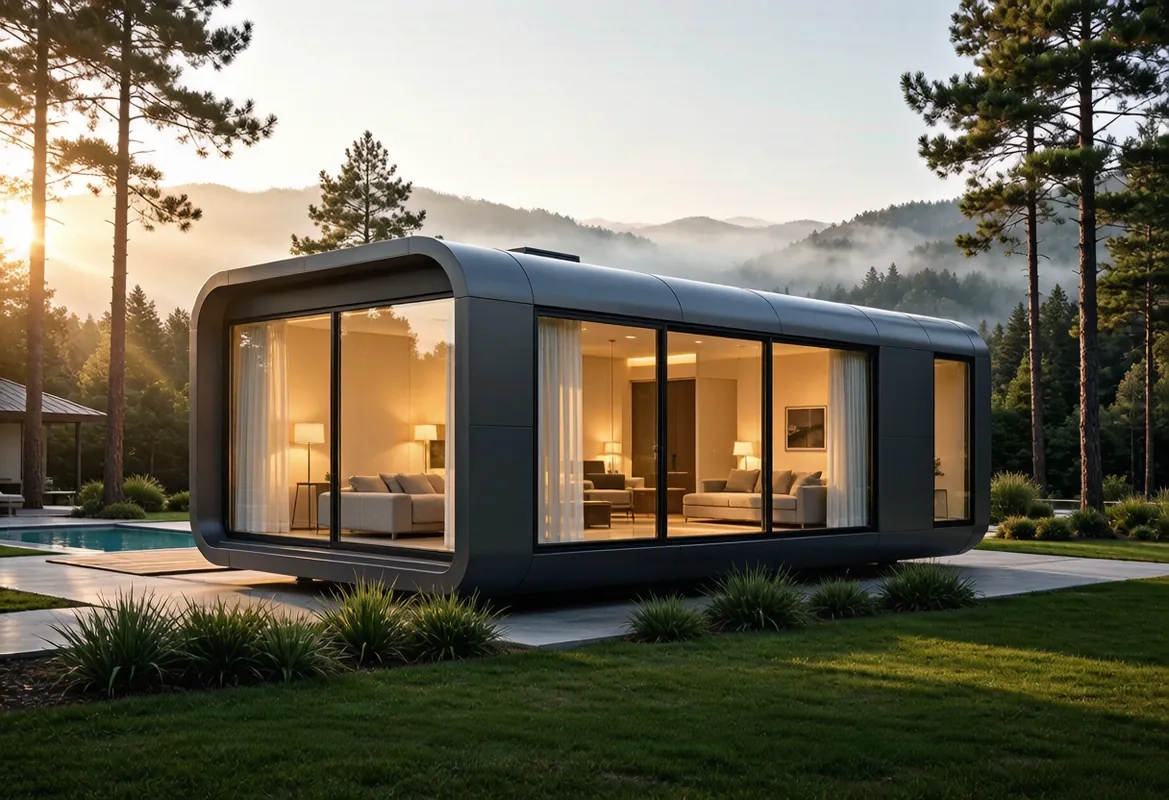
Real Owners, Real Numbers: Success Stories
How a lakeside resort, a Spanish glamping site and a Singapore dealer hit their targets.
Read stories →Talk to the Factory
Ready to Ride the 2026 Wave?
Get the latest catalog, pricing tiers and a layout sketch for your land — straight from the engineering team.