Capsule House Off-Grid Upgrade Cost Full Guide
Capsule house off-grid upgrade cost by autonomy hour: array, inverter, storage, generator, water and treatment, and what to fit at the factory.

Going off-grid is a decision about autonomy, and autonomy is bought in hours and litres rather than in features. The cost of an off-grid capsule house is driven by how long you want it to run without a delivery or a grid supply, and by how much of the load you expect it to carry while doing so. This page is about the cost structure of that decision. Grid-side connection items sit in capsule house utility connection cost, the system descriptions in off-grid utilities for a capsule house, and the overall budget in capsule house price and the capsule home cost guide.
Autonomy is the specification, everything else follows
Two buyers can order what looks like the same off-grid package and pay very different amounts, because one specified four hours of battery autonomy and the other specified twenty-four. Define autonomy explicitly: which loads must run, for how many hours, with no input from solar or generator. Everything downstream — battery capacity, inverter rating, array size, generator size, water storage volume — derives from that sentence.
| Upgrade block | What drives its cost | Factory-fit or retrofit |
|---|---|---|
| Solar array and mounting | Peak load, available roof area, tilt and wind uplift requirement | Factory-fit strongly preferred |
| Inverter and controls | Simultaneous load, motor starting surge, single or three phase | Factory-fit |
| Battery storage | Autonomy hours times essential load; chemistry choice and temperature range | Either, but needs a designed enclosure |
| Backup generator | Whether it carries the whole load or only battery charging | Site item, but plan the pad and fuel store |
| Water capture and storage | Days of dry-spell autonomy, roof catchment area, filtration stage count | Tanks usually site-installed; filtration can be factory-fit |
| Wastewater treatment | Occupancy, discharge quality required, available land area | Site item |
Size generation against measured load, not against brochures
Start from the same load list described in the electrical planning process: running watts per appliance, starting surge for motors, hours per day. Air conditioning dominates any tropical or desert installation, and the inverter's continuous rating must cover the simultaneous load while its surge rating covers compressor start. Undersizing the inverter is the most common specification error, and it presents as repeated nuisance trips that everyone blames on the batteries.
Array sizing works backwards too, but through a different variable: usable sun hours at your site in the worst month you intend to operate, not the annual average. An array sized on annual average will leave you short precisely when occupancy is highest. Ask for the calculation to be shown with its inputs, so you can see which assumption carries the result. Temperature affects both panels and batteries, so a hot-climate array produces less than its nameplate and a hot battery enclosure shortens cell life — both should be visible in the calculation.

Battery autonomy: where most of the money goes
Battery capacity is close to linear in cost against autonomy hours, which means the decision should be made deliberately rather than inherited from a package. A useful approach is to size for the essential group only — lighting, refrigeration, communications, water pump — and let the generator cover the rare whole-unit load. The jump from twelve hours to twenty-four hours of full comfort load can be dramatic for a marginal improvement in guest experience.
Consider also where the batteries physically live. They need a ventilated, shaded enclosure within the manufacturer's stated temperature range, protected from rain and from casual access, with service clearance in front. That enclosure is a cost item in its own right and needs to be designed rather than improvised. Where a unit is shipped to a site before the enclosure is ready, batteries often end up in an unventilated cupboard, which will shortened their service life substantially.
Factory-fit versus retrofit
This is the most reliably true cost statement in the whole off-grid question: anything that penetrates the roof or wall, requires a penetration seal, needs internal cabling runs, or needs to be structurally mounted is cheaper and better done in the factory. Solar mounting points, cable conduits, inverter positions, filtration housings and control wiring are all in that category.
- Fit in the factory: roof penetrations and mounting rails, internal cable routes, inverter and control board, filtration stages, tank connections, monitoring sensors.
- Install on site: bulk water tanks, generator pad and fuel store, battery bank if shipping regulations restrict it, treatment plant and its drainage field.
- Either: solar panels themselves, which can ship loose and mount to factory-fitted rails.
The reason is not only labour cost. A roof penetration sealed in a controlled factory environment with the correct tooling is a different defect risk from the same penetration made on a windy site with a ladder. Leak claims traced to a field-made penetration are a predictable outcome, not bad luck.

Water and wastewater: the half buyers forget
Off-grid means water-independent as much as grid-independent. Storage should be sized against the longest realistic dry spell, not against average rainfall, and the filtration setup has to match the source quality — rainwater, bore water and surface water each need a different treatment train and a different maintenance regime. That regime has a cost, both in consumables and in visits.
Wastewater is usually the more expensive surprise. A small package treatment installation needs power, a level site, periodic desludging, and somewhere to take the sludge. Where land area or discharge rules rule that out, the alternatives carry their own capital and operating costs. Decide the route early, because it interacts with the site layout and with the installer trades you need on the day.
Questions that make off-grid quotes comparable
- How many hours of autonomy, for exactly which loads, does this package provide?
- Which sun-hour figure and which month was used to size the array?
- Is the battery enclosure included, ventilated and shaded, and is it within the manufacturer's temperature range?
- Which penetrations are made in the factory and which on site?
- What consumables does the system need, at what interval, and who supplies them?
- What is the monitoring arrangement, and can it be read remotely when the unit is unoccupied?
That last question matters more than it appears. Remote monitoring converts an undetected failure into a detected one within hours, which on an unoccupied site is frequently the difference between a service call and a replacement. See remote monitoring for unoccupied units. For total ownership arithmetic across the life of the unit rather than just the upgrade line, see capsule house total cost of ownership. Requirements may vary by application, market and applicable standard.
What off-grid does to occupancy economics
Off-grid capability is usually bought for sites that could not otherwise be let, which means it should be evaluated against the revenue it unlocks rather than as a standalone cost. A plot with no grid connection may be the most attractive one you own, and the upgrade converts a zero into whatever that location can earn. That framing tends to produce better decisions than comparing the upgrade cost to a grid-connected unit elsewhere.
Set against it are running costs that do not exist on-grid: consumables, periodic visits, generator servicing whether or not it runs, and eventual battery replacement. Model the replacement cycle explicitly. Storage does not last as long as the building around it, and a fleet-wide replacement year that arrives unexpectedly is a budgeting failure rather than bad luck. Include it in the whole-life view in capsule house total cost of ownership before committing to a large off-grid order.
More from the Blog
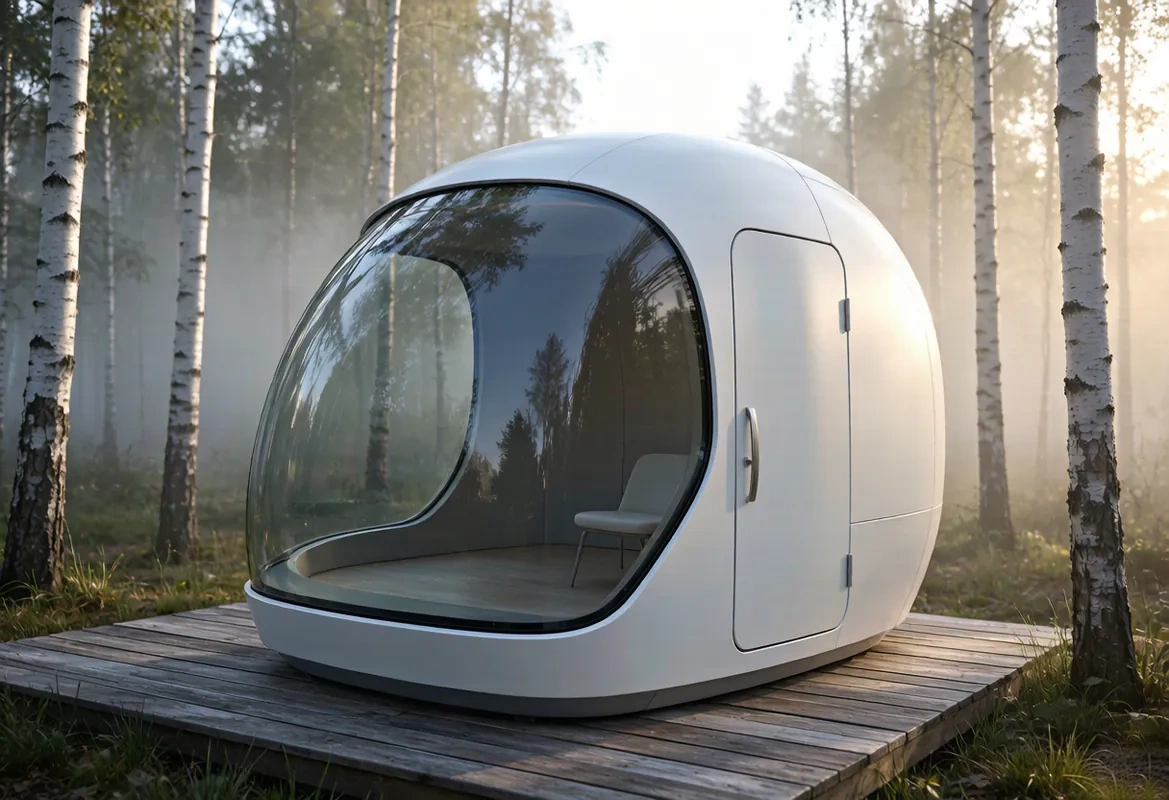
Capsule Home Cost Guide: What You Really Pay in 2026
EXW, shipping, install and the hidden line items — a transparent breakdown of total landed cost.
Read article →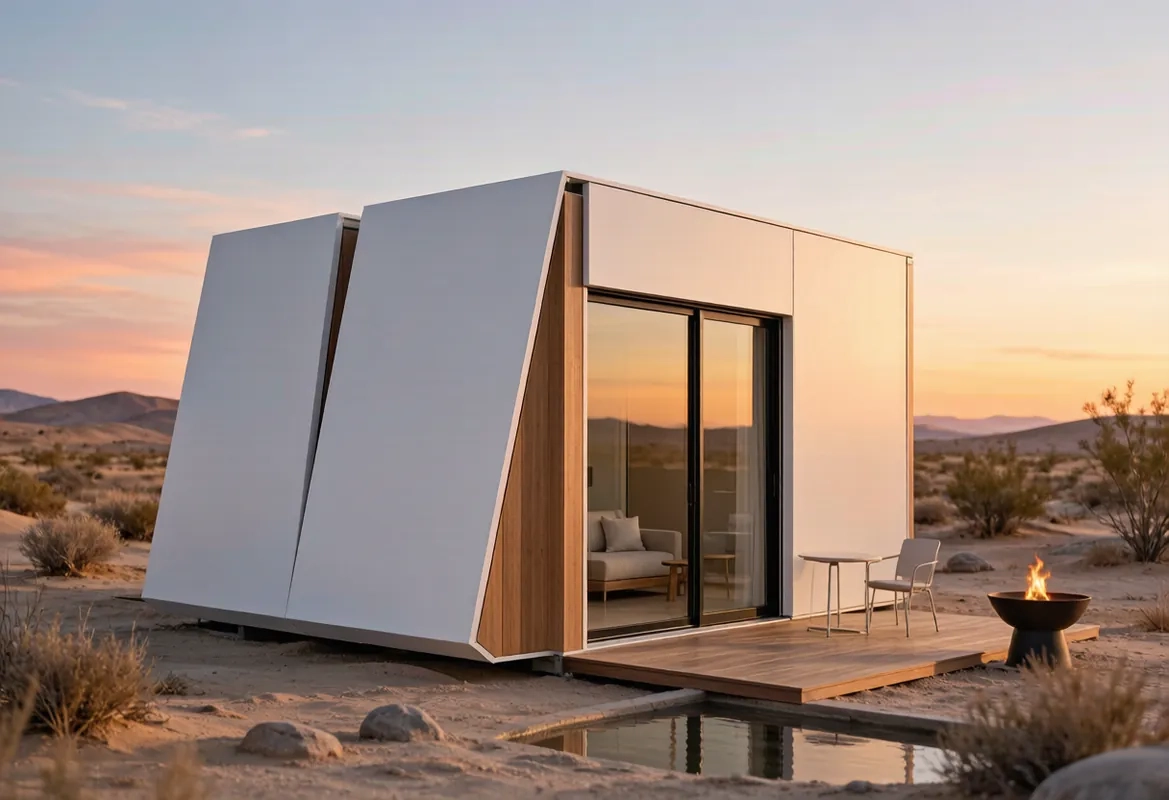
How to Install a Capsule Home in 3 Days: A Step-by-Step Guide
From site prep to first guest — the exact sequence our install crews follow on every deployment.
Read article →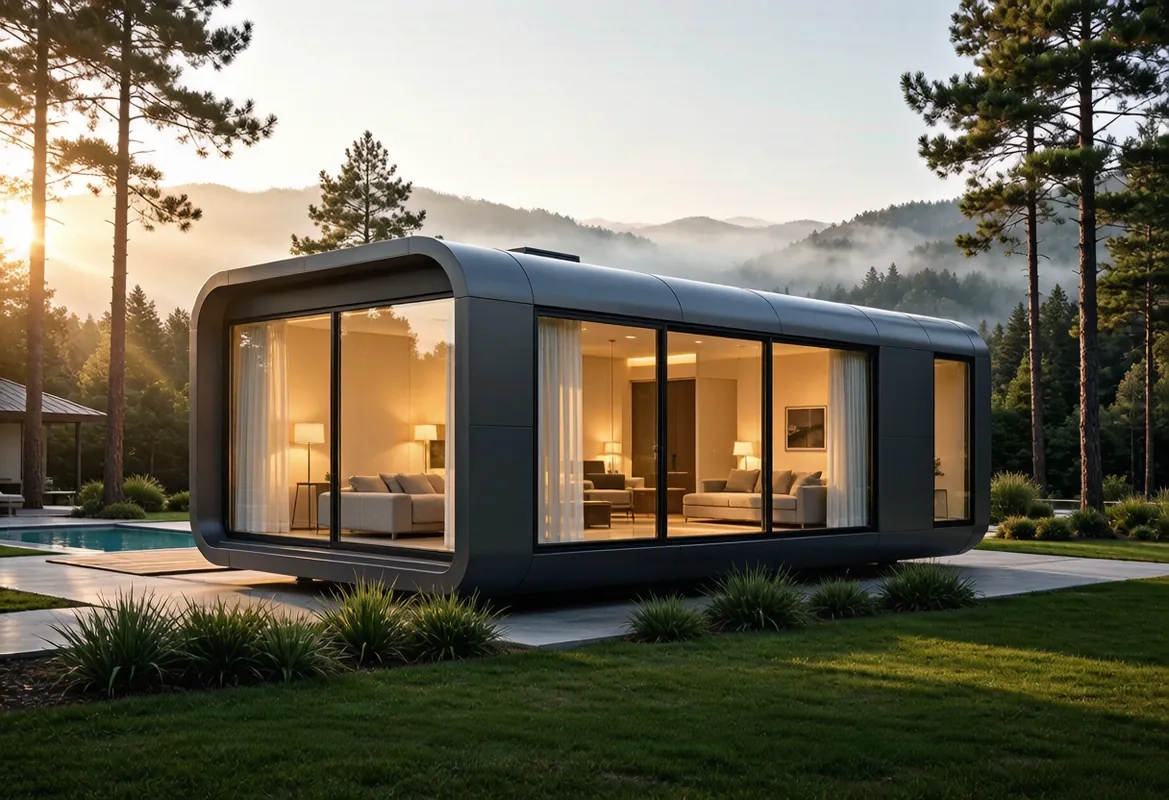
Real Owners, Real Numbers: Success Stories
How a lakeside resort, a Spanish glamping site and a Singapore dealer hit their targets.
Read stories →Talk to the Factory
Ready to Ride the 2026 Wave?
Get the latest catalog, pricing tiers and a layout sketch for your land — straight from the engineering team.