Capsule House Price Escalation and Quote Validity
Capsule house price escalation: which inputs move a quote, configuration and scope drift, validity terms, and comparing offers issued months apart.
A capsule house quotation is a snapshot of input costs, exchange rates, freight conditions and factory loading on the day it is issued, and it ages quickly. Buyers who treat the first number as a commitment are surprised twice: once when the quote expires and again when they discover that no validity period was stated. The useful question is not "why did the price go up" but "which inputs moved, which of them the supplier is actually carrying the risk on, and what can be locked in writing". This page covers the mechanics of price movement and validity. It does not restate price levels and quoting conventions, which are on the capsule house price page, nor the full delivered cost build-up, which is in the capsule home cost guide. How to conduct the commercial conversation once the number is on the table is covered in price negotiation, and quantity effects in bulk order pricing. No rate, index or price figure is quoted here as fact; obtain current figures from the supplier and confirm terms in the order. Requirements may vary by application, market and applicable standard.
Six things move a capsule house price
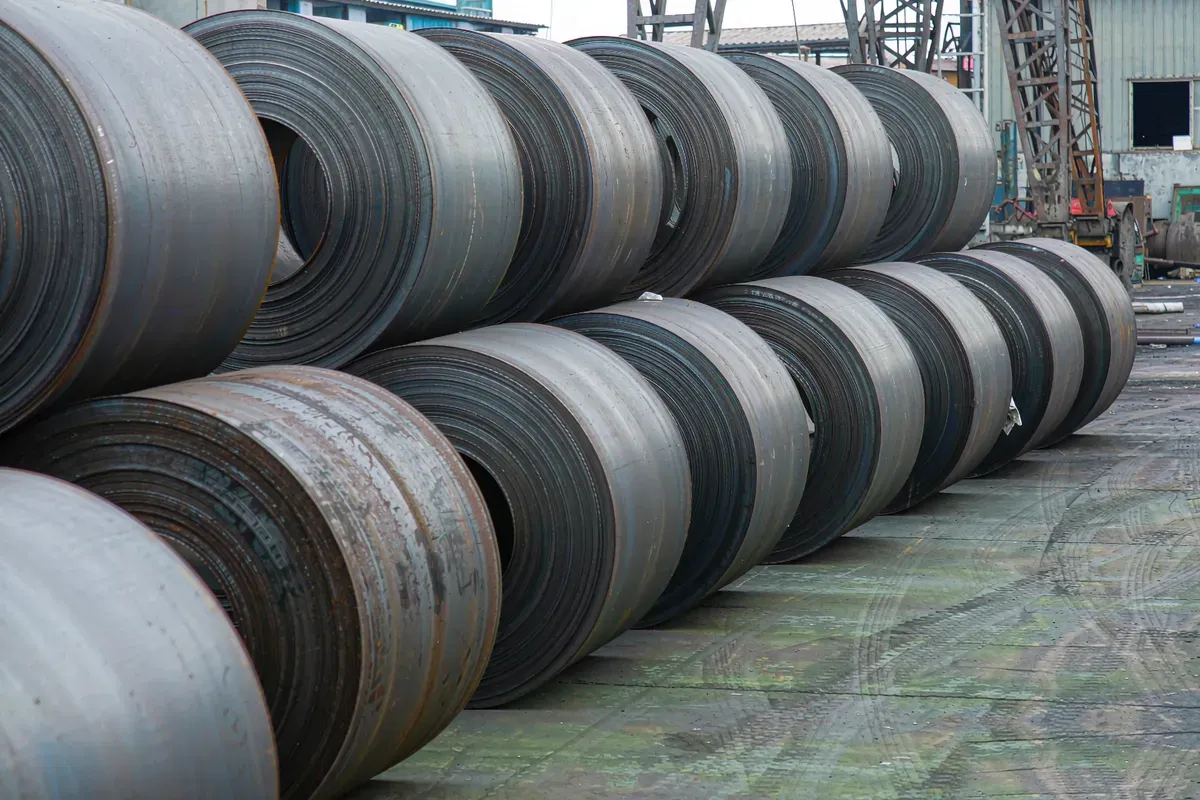
- Steel and aluminium. A capsule unit is a framed structure with a metal skin and glazing frames. Primary metal prices move with commodity markets, and the effect on a unit is direct because the material is a large share of the product cost.
- Insulation, panels and interior finishes. These track their own supply chains rather than the metal markets, and they can move independently. A quote that has moved while steel has been flat is often a panel or finish story.
- Freight and container rates. Ocean freight is a market, not a tariff. It can move substantially between the date of quotation and the date of shipment, and it is the input most likely to change without warning on long projects.
- Exchange rate. If the factory prices in one currency and the buyer pays in another, the exchange rate at the time of each payment matters. Who carries that risk is a contract term, and it is frequently left ambiguous.
- Factory loading and seasonality. A factory running at high utilisation prices differently from one with open capacity. Order books also have seasonal patterns, and a project that lands in a busy window may meet a different price and a different lead time.
- Energy and compliance costs at the factory. These are usually smaller than the above but they are real, and they are part of what a manufacturer means by cost movement.
Two movements that are not the supplier's doing
Buyers often attribute all price movement to the supplier, when two of the most common causes originate on the buyer's side:
- Configuration drift. The unit quoted in March and the unit ordered in June are frequently not the same unit. An added window, a changed finish, a different bathroom layout or an upgraded glazing specification all change the price, and they are usually requested in a way that feels like a clarification rather than a change.
- Scope drift. An ex-works quote compared with a delivered-and-installed expectation. Freight, insurance, crane, foundation, service connections and permits are separate line items; when they are discovered rather than specified, they look like a price increase and are actually a scope correction.

Validity: the clause most quotations do not contain
A quotation should state how long it holds. Many do not, and the absence is expensive because it lets both sides assume different things. What to ask for in writing:
| Term | What it does | Who it suits |
|---|---|---|
| Fixed price for a stated period | Price holds regardless of input movement, for a defined window | Buyers with a short decision cycle; suppliers hedge the risk |
| Fixed price subject to a validity date | Price holds if the order and deposit land by a date | The common arrangement; the date is the thing to negotiate |
| Adjustable price with a stated formula | Movement shared, usually above an agreed threshold | Long projects where neither side can price the risk |
| Input-linked price for a named material | Only a specific input moves; the rest is fixed | Where one material dominates and both sides can see it |
Whichever is agreed, three further items belong in the order: the currency of the price and of each payment, the re-quoting triggers that allow either side to reopen the number, and the point at which the price becomes firm, usually the deposit or the signed specification.
How validity interacts with your own timeline
A price validity window is only useful if it is longer than the buyer's internal decision time. On a resort project there are usually three clocks running: the approval or permit process, the financing or internal approval, and the factory's production slot. If the approval clock is the slow one, a short validity window means the quote will expire before it can be accepted, and every re-quote is an opportunity for the number to move.
Three practical responses:
- Sequence it. Get the specification frozen first, then the quotation, then run the approval process with a fixed specification in hand. Freezing the specification is the part within the buyer's control.
- Negotiate validity as a term. A longer validity period is often available in exchange for a firmer commitment, such as a deposit schedule or a confirmed production slot.
- Ask what happens on expiry. Whether the supplier re-quotes at list, re-quotes with the original discount structure, or continues on the same basis is a question worth asking before it matters.

Comparing quotes issued months apart
When two offers arrive at different times, reading the totals is misleading. Normalise on four axes before comparing:
- Scope. Put both onto the same basis: ex-works, delivered, or delivered and installed. Most apparent price gaps are scope gaps.
- Specification. Compare the written specification, line by line, not the model name. Two quotes for the same model can describe different units.
- Date and validity. Note when each was issued and what it commits to. An older quote with no validity is not a price.
- Commercial terms. Currency, payment milestones, and who carries freight and exchange risk. A lower price with a weaker term is not a lower price.
What can legitimately be locked, and what cannot
A buyer can realistically lock the specification, the quantity, the currency and the payment structure, because those are within the parties' control. The buyer cannot lock commodity markets or freight rates for an indefinite period, and a supplier who appears to do so is pricing the risk into the number somewhere. The sensible goal is not a price that never moves; it is a price that moves only for stated reasons, under a stated formula, with both sides able to see why.
Finally, treat the re-quote as a diagnostic. A supplier who explains which input moved, by how much, and offers the supporting evidence is behaving like a partner on a long project. A supplier who simply sends a new number is telling the buyer something about how the rest of the project will go.
More from the Blog

Capsule Home Cost Guide: What You Really Pay in 2026
EXW, shipping, install and the hidden line items — a transparent breakdown of total landed cost.
Read article →
How to Install a Capsule Home in 3 Days: A Step-by-Step Guide
From site prep to first guest — the exact sequence our install crews follow on every deployment.
Read article →
Real Owners, Real Numbers: Success Stories
How a lakeside resort, a Spanish glamping site and a Singapore dealer hit their targets.
Read stories →Talk to the Factory
Ready to Ride the 2026 Wave?
Get the latest catalog, pricing tiers and a layout sketch for your land — straight from the engineering team.