Capsule House Price Trends 2027: Will Prices Rise?
Will capsule house prices rise in 2027? What actually drives cost, what you can lock contractually, and how to plan without a price forecast.

Buyers planning a 2027 order usually ask one question: will capsule house prices be higher next year? The honest answer is that no supplier can forecast this reliably, and any website that gives you a percentage is guessing. What can be done is to separate the cost drivers that push in each direction, identify which ones you can lock, and structure the order so that the exposure you cannot control is as small as possible. This page does that. We publish no price forecasts and no figures — they depend on configuration, route, market conditions and date, and only your suppliers can quote them. For the current price framework, see our capsule house price page.
Why "Will Prices Rise?" Is the Wrong Question
A capsule house is not a commodity with a single market price. It is a configured manufactured product whose cost is a composite of materials, labour, energy, factory loading, freight and currency. Those components move independently and often in opposite directions. Steel may fall while freight rises; factory capacity may loosen in one season and tighten in another.
The question that is actually answerable is narrower: which cost components in my order are volatile, how long can I lock them, and what changes the total more than any of them — the configuration itself. In practice the configuration decision usually moves the number more than a year of market drift.
The Drivers That Push Costs Up
- Material input costs. Steel, aluminium, glass, insulation and interior panels are commodities subject to market movement. Their direction over any future period is not knowable in advance.
- Freight and fuel. Ocean freight rates are volatile and route-specific, and fuel surcharges move with energy markets. A route that is cheap one quarter can be expensive the next.
- Factory loading and lead time. When order books are full, lead times extend and capacity carries a premium. Booking ahead of the peak is a real lever, and it is the one most buyers under-use.
- Specification upgrades. Higher-performance glazing, upgraded insulation, enhanced corrosion protection and premium finishes all add cost — and in demanding climates they are frequently the right decision, not an optional extra.
- Customs and compliance costs. Duty, taxes and conformity requirements are set by regulation and can change. Verify applicable requirements at the time of import rather than relying on figures from an earlier project.
The Drivers That Push Costs Down
- Standardisation. Repeating one configuration across a site costs less per unit than running several variants, in manufacturing and in lifetime maintenance.
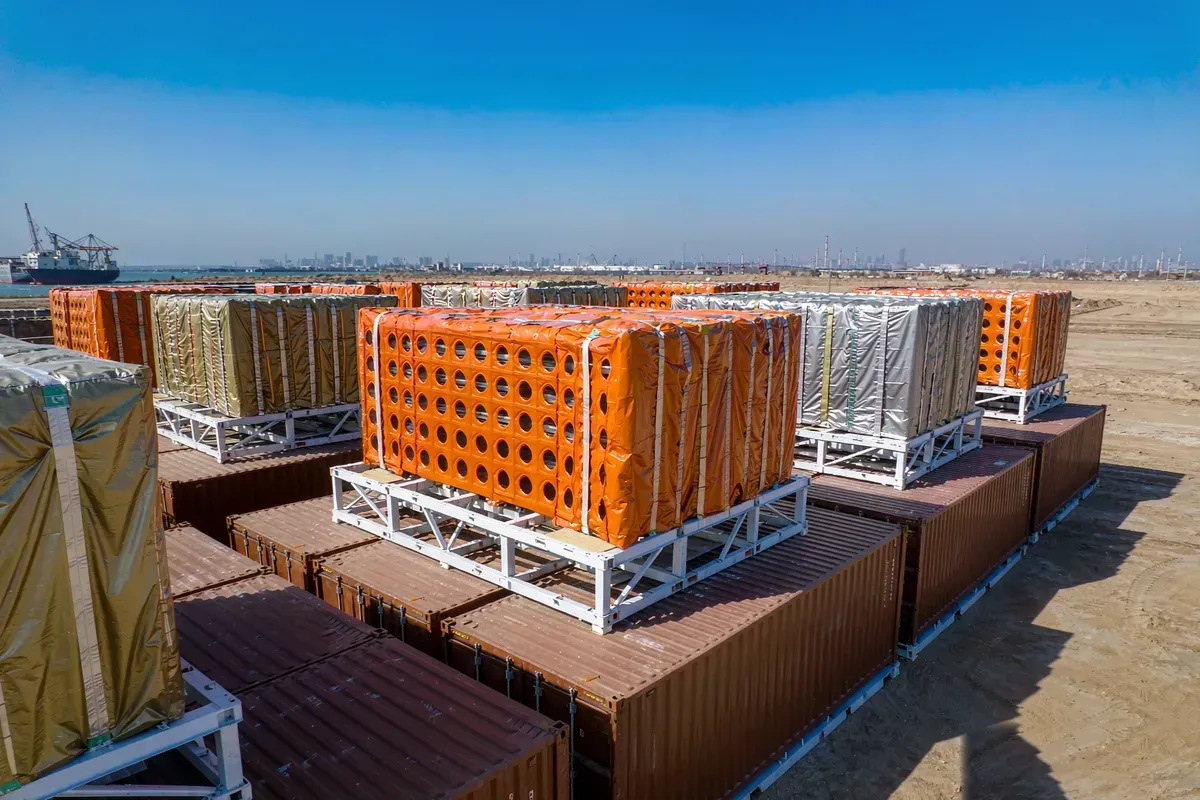
- Efficient transport form. A transport configuration that packs more units per container or per voyage spreads freight across more keys. This is decided at the factory, early.
- Mature production processes. As factories gain experience with a model, waste and rework fall. That benefit accrues to the buyer through shorter lead times and steadier quality, and sometimes through price.
- Competitive supply. More qualified suppliers in the market generally improves both price and the terms buyers can negotiate. Compare several, properly normalised.
- Better specification discipline. Specifying only what the site needs, rather than the maximum available, removes cost without removing performance.
What You Can Actually Lock
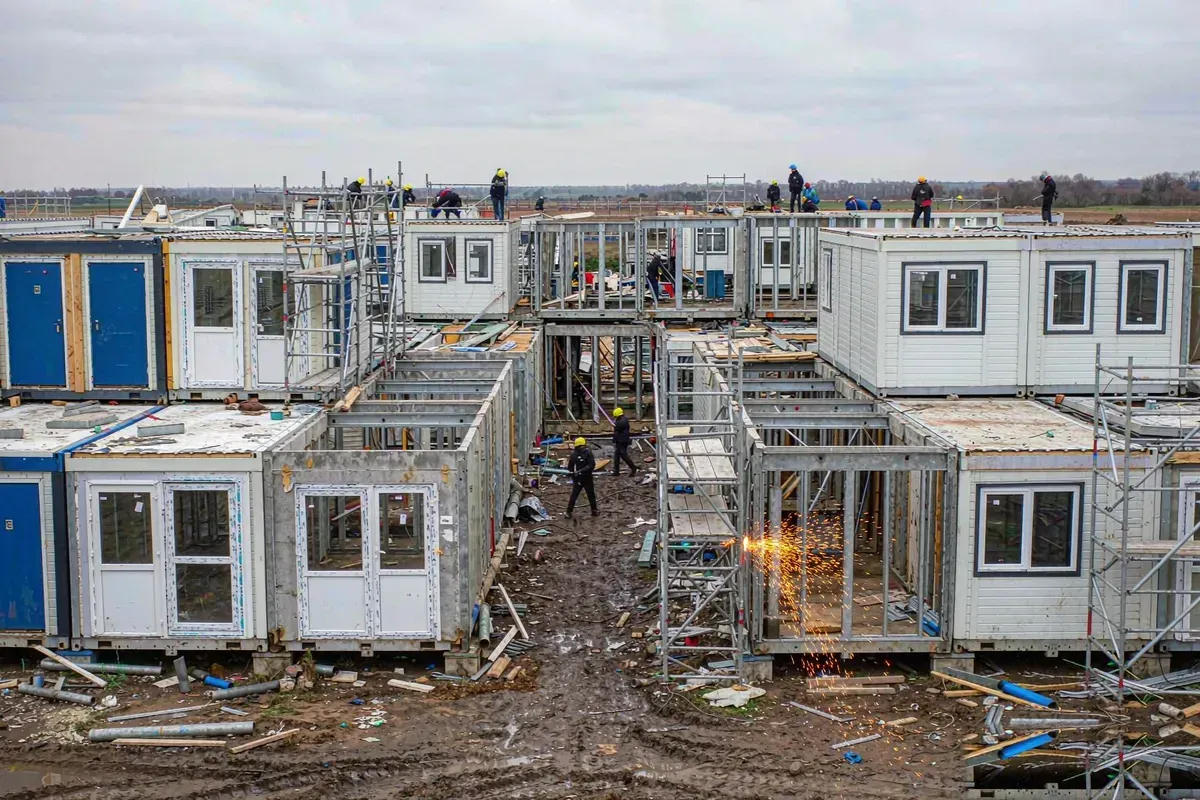
Market drift cannot be locked. Contract structure can. Four mechanisms do most of the work.
- Price validity period. Insist on a stated validity in days, and know exactly what can change it. A quotation without a validity date is not a quotation you can plan around.
- Milestone-based payment schedule. Tie payments to verifiable progress rather than to calendar dates, so that money and delivery stay aligned.
- Frozen specification. Agree the technical schedule and change procedure before production. Uncontrolled changes late in the build are the most common source of cost increase that buyers bring on themselves.
- Framework terms for phased orders. If you plan multiple units over more than one season, discuss how later batches are priced at the outset rather than re-quoting each batch from scratch.
Our page on payment terms and financing structures covers how these are commonly arranged, and phased expansion planning addresses multi-batch projects.
The Variable That Outruns All of Them
In most projects the single largest influence on total cost is not a market rate at all — it is whether the specification matches the site. A unit specified without regard to wind exposure, seismic parameters, coastal corrosion, humidity or access will cost far more over its life than the difference between ordering this year or next. And on total cost of ownership, the operating and maintenance profile usually dominates the purchase decision over a multi-year horizon.
Our page on total cost of ownership sets out how to model that properly, including maintenance, energy, downtime and end-of-life considerations. If you are weighing a 2026 order against a 2027 order, model both over the same operating period and the timing question often resolves itself.
How to Plan a 2027 Order Without a Forecast
Work backwards from the date you need to open, not forwards from today's price. Establish the lead time and the seasonal constraints at your site — wet seasons, peak construction periods, licence processing times — and set the order date from that. Then secure a quotation with a stated validity and a defined change procedure, so that if you do delay, you know what you are re-quoting.
Two practical notes. First, booking before a supplier's peak production period tends to help both price and lead time; ask when their order book is heaviest. Second, requirements may vary by application, market and applicable standard, so any regulatory or conformity cost in your market should be confirmed at the time of import rather than assumed from an earlier project.
Reading Market Signals Without a Forecast
You cannot forecast next year's price, but you can observe the inputs and recognise when they are moving. Four indicators are publicly visible and worth watching if your order is some months out: freight rate indices for your trade lane, commodity price movements in steel and aluminium, the factory's stated lead time — which lengthens when the order book fills — and the exchange rate between your currency and the invoicing currency.
None of these tells you what to do on its own. Together they tell you whether the environment is tightening or loosening, which is enough to decide whether to lock a quotation now or wait for a better production slot. Watch the lead time indicator in particular: it usually moves before price does, and it affects your opening date directly.
The disciplined response is to ask for a quotation with a stated validity, then re-check at the point the validity expires rather than guessing in advance. Know what you are re-quoting, keep the specification frozen so that a re-quote is genuinely comparable, and decide against your own opening-date constraint rather than against a market view you cannot verify.
Talk Through Your Timing
Send your target opening date, site conditions and intended configuration, and we will tell you what lead time and production slot that implies, and which specification items are driving cost in your configuration. We publish no price forecasts and no figures — they depend on configuration, route, market conditions and date, and only your suppliers can quote them. Review the Galactic A series configurations and use the contact page to start the conversation.
More from the Blog

Capsule Home Cost Guide: What You Really Pay in 2026
EXW, shipping, install and the hidden line items — a transparent breakdown of total landed cost.
Read article →
How to Install a Capsule Home in 3 Days: A Step-by-Step Guide
From site prep to first guest — the exact sequence our install crews follow on every deployment.
Read article →
Real Owners, Real Numbers: Success Stories
How a lakeside resort, a Spanish glamping site and a Singapore dealer hit their targets.
Read stories →Talk to the Factory
Ready to Ride the 2026 Wave?
Get the latest catalog, pricing tiers and a layout sketch for your land — straight from the engineering team.