Capsule House Quote: Every Hidden Cost to Check
How to read a capsule house quotation: the lines where scope is left open, the wording to question, and the checks to run before you compare.

Most capsule house budget overruns are not caused by dishonest suppliers. They are caused by a quotation that is internally clear to the person who wrote it and ambiguous to the person reading it. This page is a reading method, not a price list: it takes the structure of a typical supplier quotation, names the lines where scope is usually left open, and gives you the specific question to ask about each. Use it before you compare two offers, not after you have signed. We publish no price figures here — they depend on configuration, route and date, and only your suppliers can establish them. For the wider framework, see our capsule house price page.
The Anatomy of a Supplier Quotation
A usable quotation has five parts, and problems cluster in the same places in each.
- Commercial terms — incoterm, currency, validity period, payment schedule, and what triggers a price revision.
- Scope of supply — exactly what is included, itemised, with quantities and model references.
- Exclusions — what is not included. This section is more informative than the inclusions.
- Technical specification — materials, glazing, insulation, electrical standard, finishes, referenced by standard where applicable.
- Delivery and service terms — lead time, packing, loading, warranty, spare parts, installation scope and who pays for what on site.
If any of the five is missing, or is described in prose rather than as a list, that is the first thing to ask for. A quotation without an exclusions section is not more complete than one with — it is less complete, because the exclusions exist but are unstated.
Lines Where Scope Is Commonly Left Open
Below are the lines that most often move a budget after signature, the wording that usually signals an open scope, and the question that closes it.
| Line | Vague wording to watch | Ask exactly this |
|---|---|---|
| Transport form | "shipped as standard export packing" | Does the unit ship complete, folded, or flat-packed? How many packages, and what are the dimensions and weights? |
| Incoterm | Quoted without a named place | Which incoterm edition and which named port or place? Where does risk transfer and who insures each leg? |
| Installation | "installation support available" | Is installation included, or is it supervision only? How many days, how many technicians, and who pays travel and accommodation? |
| Foundation | "foundation by buyer" | Will the supplier issue foundation drawings to my engineer, and are anchorage loads and fixing points provided? |
| Utilities | "ready for connection" | Which voltage, frequency and plug standard? Where is the connection point, and what is the rated load? |
| Crane and set | Not mentioned | Who supplies and pays for the crane? What is the lift weight and radius, and is site access the buyer's responsibility? |
| Appliances and furniture | "as per images" or "standard package" | Is there an itemised list with brand or grade and quantities for every appliance and furniture piece? |
| Spare parts | "spare parts included" | Which parts, in what quantity, and is there a priced recommended spares list for the first two years? |
| Warranty | "12-month warranty" | Warranty on what, excluding what, and who pays freight on a warranted part? Is labour included? |
| Validity | "subject to confirmation" | How many days is the price valid, and what specifically can change it — material index, exchange rate, freight? |
None of these lines is a reason to reject a supplier. All of them are reasons to get the scope written down before you compare numbers.

Reading the Technical Specification
The commercial lines decide what you pay. The technical lines decide what you get. A specification can look detailed and still be unenforceable if it contains no quantities, grades or standard references.
What a Checkable Specification Contains
- Materials by grade — steel grade and coating system, insulation type and thickness, glazing build-up and any performance rating claimed.
- Electrical by standard — voltage, frequency, plug and socket type, protective devices, and the wiring standard the assembly is built to.
- Wet areas by method — how the wet room is waterproofed, what is tested, and what the test is.
- Finishes by product reference — not "wood-look panel" but a named product or an agreed sample.
- Performance claims with their basis — any wind, thermal or acoustic figure should name the standard or method it was calculated or tested under.
Where a claim references a standard, verify the scope and validity rather than accepting the label. Our page on capsule house certification explains how to confirm a certificate's scope, issuing body and dates.
Requirements may vary by application, market and applicable standard. Your local engineer must confirm that the specified performance meets the conditions at your site — a rating calculated for one climate or one wind region does not transfer automatically.
Making Two Quotations Comparable
The most common comparison error is putting two totals side by side when the scopes differ. Normalise before you compare, in this order.
- Put both quotations on the same incoterm, same currency and same validity date.
- List the scope lines side by side and mark anything present in one and absent in the other.
- Price the missing lines at your own local rates — not at the other supplier's rates.
- Add the landed-cost lines neither supplier quotes: inland haulage, foundation, utility connection, crane, commissioning, consultant fees.
- Only then compare totals, and set the difference against lead time, warranty terms and after-sales responsiveness.
A supplier who volunteers a full exclusions list and answers scope questions in writing is signalling something real about how they will handle a problem later. That signal is worth including in the decision. Our manufacturer page describes how we structure a quotation and what we include as standard.
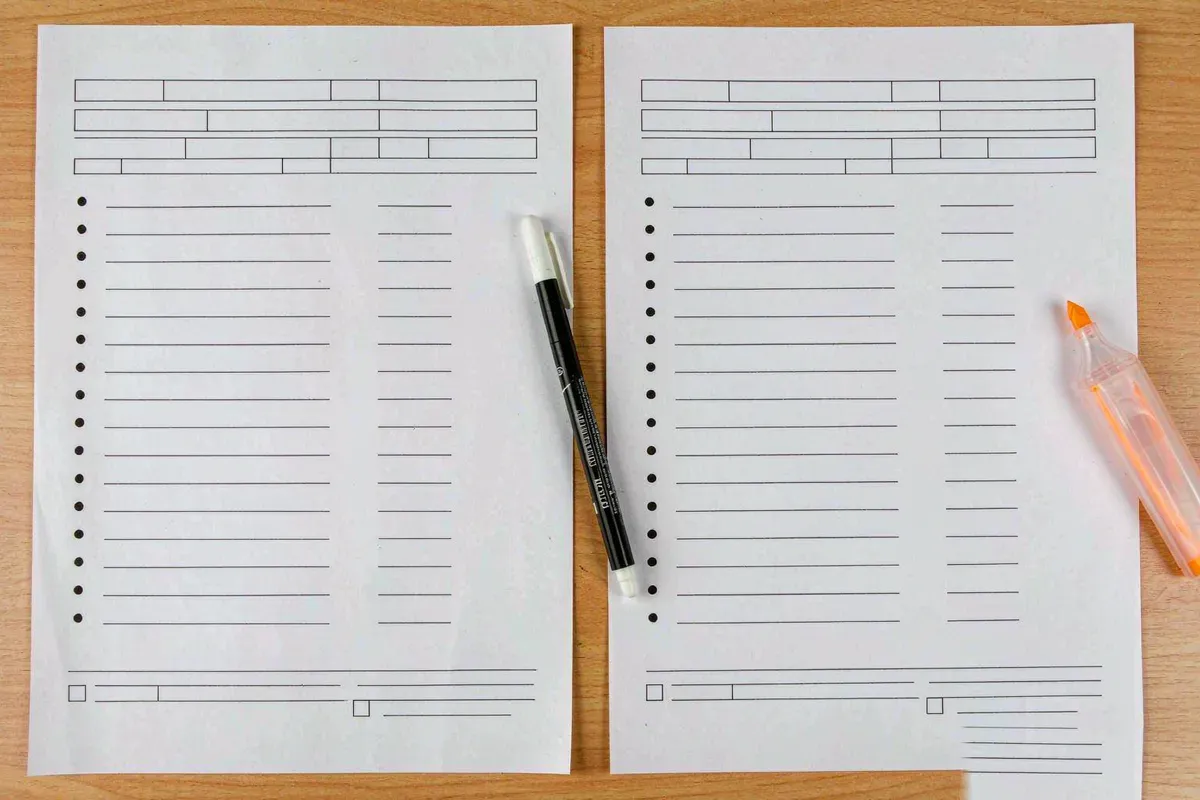
A Closing Checklist Before You Accept
Before accepting any quotation, run this list once against the document in front of you. Each item takes a minute and each one prevents a category of dispute.
- Every scope line is itemised with a quantity and a model or grade reference — no descriptive labels.
- The exclusions section exists and you have read it against your own site requirements.
- Incoterm, currency, named place and price validity are all stated in days.
- Payment milestones are tied to verifiable events, not to calendar dates.
- The technical schedule matches the specification you inspected, not the one in the brochure.
- Voltage, frequency, socket type and protection at destination are confirmed in writing.
- Warranty states coverage, exclusions, labour and who pays freight on a warranted part.
- Pre-delivery inspection right, and the remedy for defects found, are stated.
- Spare parts are listed by item and quantity rather than described as included.
- Lead time is stated from a defined trigger, with what can extend it.
A supplier who answers all ten in writing has told you something useful about how they will behave when something goes wrong. Treat that as part of the comparison, alongside the number. Where two offers are close on price and scope, the quality and completeness of the documentation is often the more reliable predictor of how the project will run — because the same discipline that produces a clear quotation tends to produce a clear handover.
Before You Sign
Ask for the final version as a single document: itemised scope, explicit exclusions, technical schedule, delivery terms, payment schedule tied to verifiable milestones, and warranty in writing. Confirm that the specification in the contract matches the specification you inspected, and that any pre-delivery inspection right is stated. Our page on purchase contract clauses covers the terms side of the same review.
Send us any quotation you are comparing and we will mark up which lines are open and what we would ask. We publish no price figures — they depend on configuration, route and date, and only your suppliers can quote them. See the Galactic A series configurations and use the contact page to send the document.
More from the Blog

Capsule Home Cost Guide: What You Really Pay in 2026
EXW, shipping, install and the hidden line items — a transparent breakdown of total landed cost.
Read article →
How to Install a Capsule Home in 3 Days: A Step-by-Step Guide
From site prep to first guest — the exact sequence our install crews follow on every deployment.
Read article →
Real Owners, Real Numbers: Success Stories
How a lakeside resort, a Spanish glamping site and a Singapore dealer hit their targets.
Read stories →Talk to the Factory
Ready to Ride the 2026 Wave?
Get the latest catalog, pricing tiers and a layout sketch for your land — straight from the engineering team.